

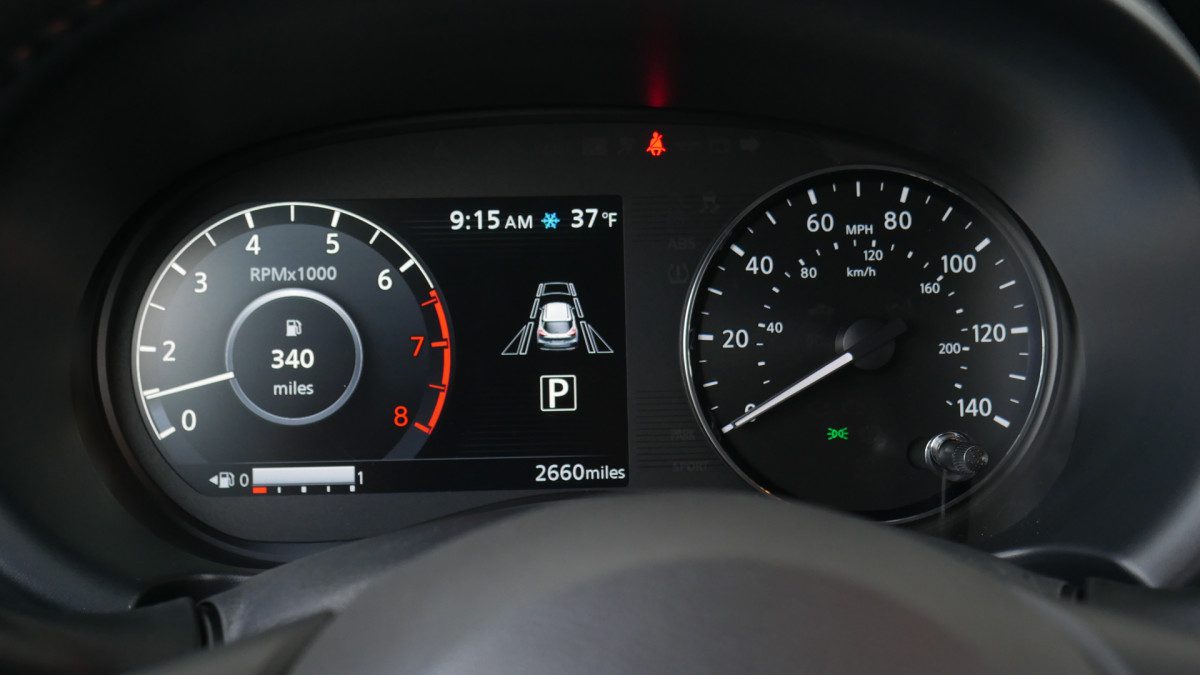
In Japan, it’s common for cars to be driven to well over 300,000 miles. It isn’t uncommon for some to reach even higher mileage, either. These aren’t anomalies; they’re just ordinary vehicles used by ordinary drivers who have treated them with the right attitude. On the other hand, the average American motorist will trade his vehicle long before reaching such mileage totals. There’s a YouTube video going around that’s an unpleasant reality check on something that many American motorists never give much thought to.
It’s Less About the Car and More About the Driver
The first thing Japanese high-mileage drivers do differently isn’t complicated. They let the engine warm up. Between 30 and 60 seconds is often enough for the oil to circulate properly before putting the engine under load. Cold oil is viscous and slow and doesn’t protect the way warm oil does, and starting hard from cold is one of those habits that costs nothing in the moment and adds up badly over time.
The actual driving also fits this same pattern. Smooth, gradual inputs are applied while accelerating; the driver brakes early enough so it doesn’t feel like braking. The driver keeps the engine in its comfortable RPM range rather than constantly lugging the engine or pushing it. It’s not overly cautious driving; it’s just deliberate. Fuel system cleaners go in every 6,200 miles or so, keeping the injectors clean and combustion where it should be. It’s a small thing that’s easy to skip, and most people do end up skipping it.
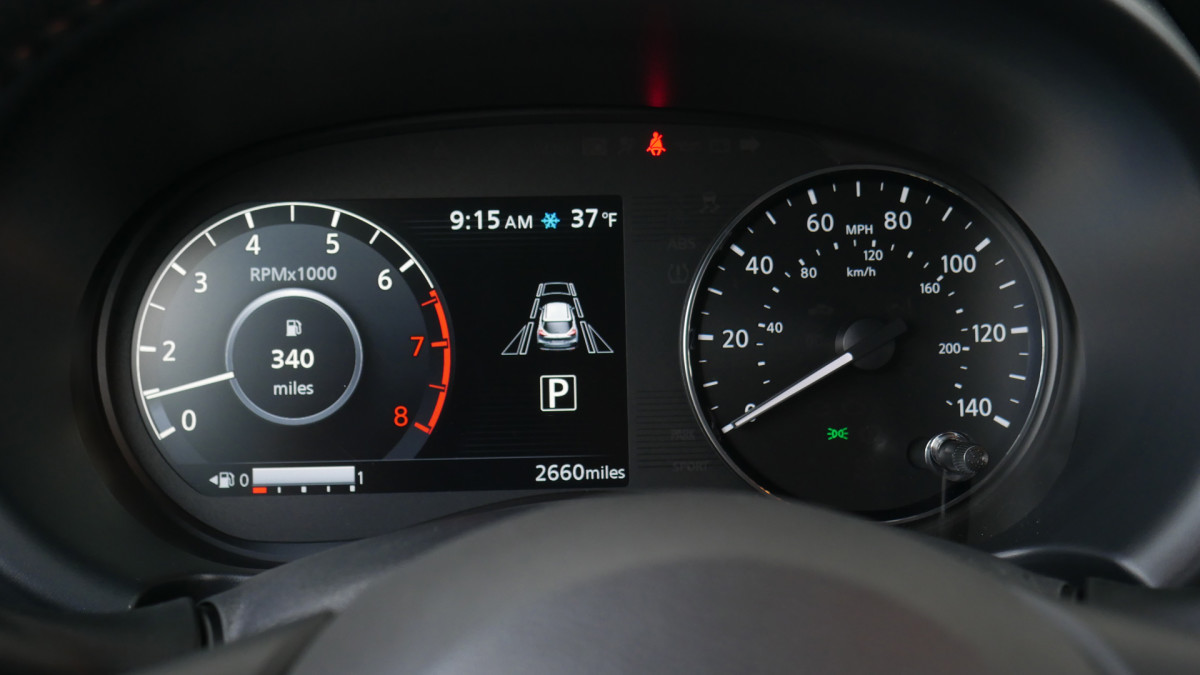
The Maintenance Stuff Most Americans Get Backwards
The oil change interval for cars in Japan is based on how the vehicle has been driven as opposed to a manufacturer recommended interval. Short urban trips and stop-and-go traffic chew through oil faster than highway miles do; pretending otherwise is just wishful thinking.
Coolant is flushed regularly and at the correct time. Cooling systems are one of the main causes of engine failure (approximately 25%), and most of that is due to corrosion caused by neglecting the coolant. Transmission fluid is changed before there are any signs of trouble, and not after. Timing belts and associated components are replaced at the recommended time and are never negotiated. If a timing belt were to break on an interference engine, you’re looking at bent valves, where the only fix is a top-end rebuild — a lot more expensive than a timing kit replacement.
Getty Images
The Logbook Is the Whole Point
What really separates the Japanese approach from the American one isn’t any single habit. It’s the fact that Japanese drivers who run high mileage tend to write everything down. Every service, every fluid change, every noise that showed up and went away. Over the years, that becomes a genuinely useful document.
Things get caught early. Nothing slips through. But more than the practical value, keeping a log represents a way of thinking about the car — as something ongoing, something worth paying attention to, rather than something to ignore until a warning light forces the issue. That mindset is what the Japanese philosophy of longevity is really about. The habits are almost secondary to the attitude behind them.