

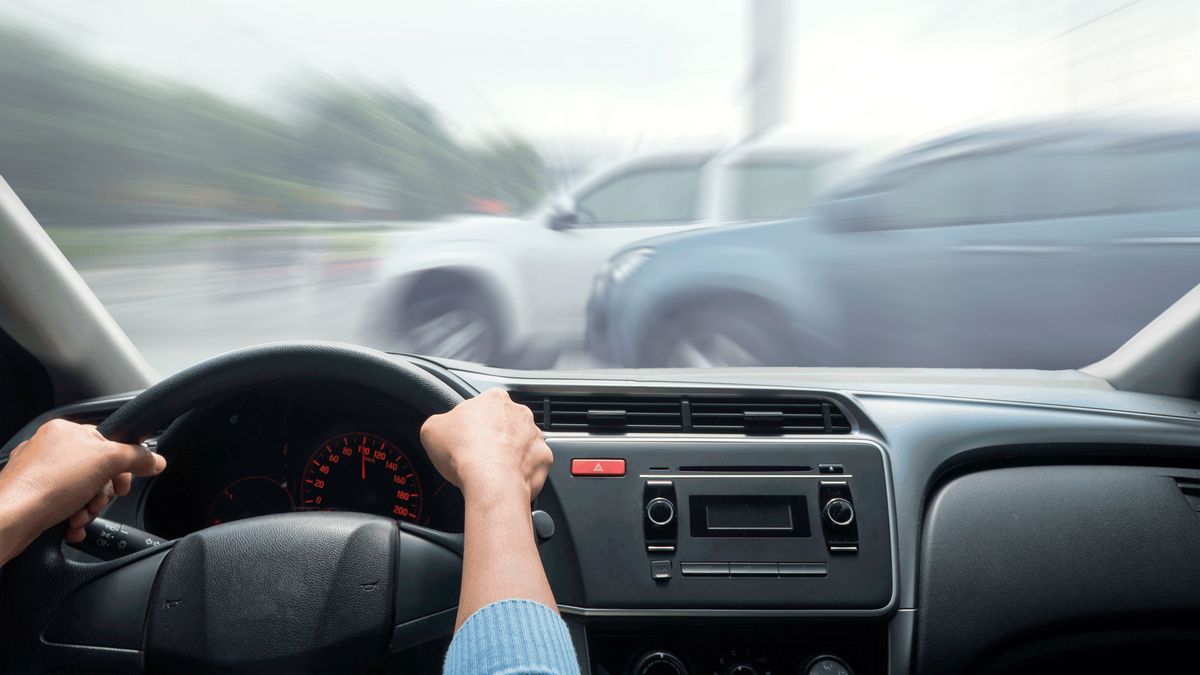
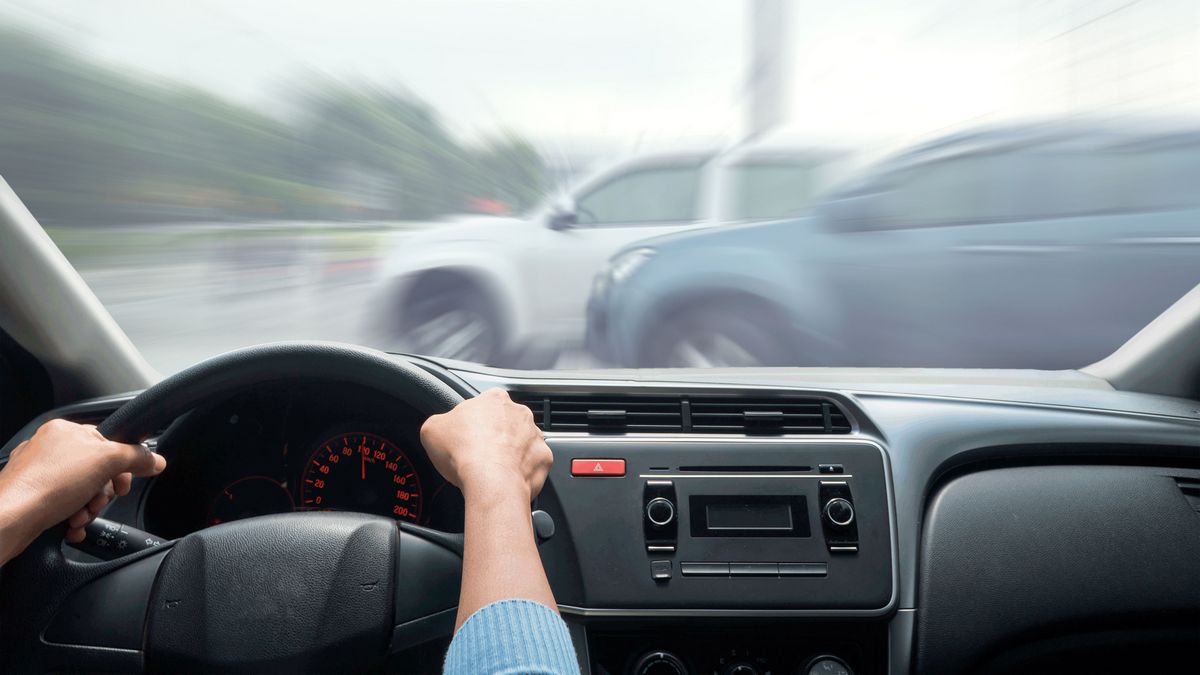
Defensive driving is driving with the intention of avoiding potential hazards, such as pedestrians, bad weather, and obstacles on the road. While driving is never risk-free, driving defensively can minimize the danger and keep you safe. Defensive drivers stay alert and identify potential hazards before they happen. Rather than simply reacting to hazards, anticipating them prepares you to act safely and calmly.
Benefits of Defensive Driving
- Decrease your chance of a collision or incident
- Qualify for safe driving discounts on insurance
- Save on vehicle maintenance costs
- Increase overall safety for yourself and others on the road
- Reduce stress levels and gain peace of mind
The Dos of Defensive Driving
- Do approach intersections with caution. When you get to an intersection, look in all directions and yield to oncoming traffic. Check for oncoming cars and pedestrians, even when you have the right of way.
- Do stay vigilant. Be aware of your surroundings at all times. Pay attention to physical roadblocks and what other drivers are doing. Often, problems arise from what others do rather than your own actions.
- Do drive at the speed of traffic. It’s always safest to drive at the speed of traffic and follow the speed limit. Avoid speeding or crawling below the speed limit.
- Do slow down in rain, sleet, snow, etc. When the weather is bad, the best thing to do is slow down and focus on the other items on this list.
- Do pass others with care. Check your rearview and side mirrors often. Look in your blind spots before you merge or turn. Pay attention and pass other cars with caution. Watch for motorcycles.
- Do use your turn signal. Ensure you’re driving safely by using your turn signal to alert others of your next move.
The Don’ts of Defensive Driving
- Don’t forget your blind spots. Take no chances, even if you think there are no vehicles or pedestrians nearby. Check your blind spots when turning or merging.
- Don’t drink and drive. Avoid drinking alcohol or taking substances that could impair your ability or judgment before driving.
- Don’t drive too closely. Keep a safe distance from others. Avoid tailgating and use adaptive cruise control to maintain a minimum 3-second gap between your car and the car ahead.
- Don’t drive aggressively. Remain patient with other vehicles and keep your cool on the road. Avoid speeding up to close a gap.
- Don’t assume. Even with all of your vehicle’s safety features, you still need to keep your eyes on the road and remain cautious.
Visit Kelley Blue Book’s Safety Hub page to learn more about vehicle safety features.
Editor’s Note: We have updated this article since its initial publication. Renee Valdes contributed to the report.