

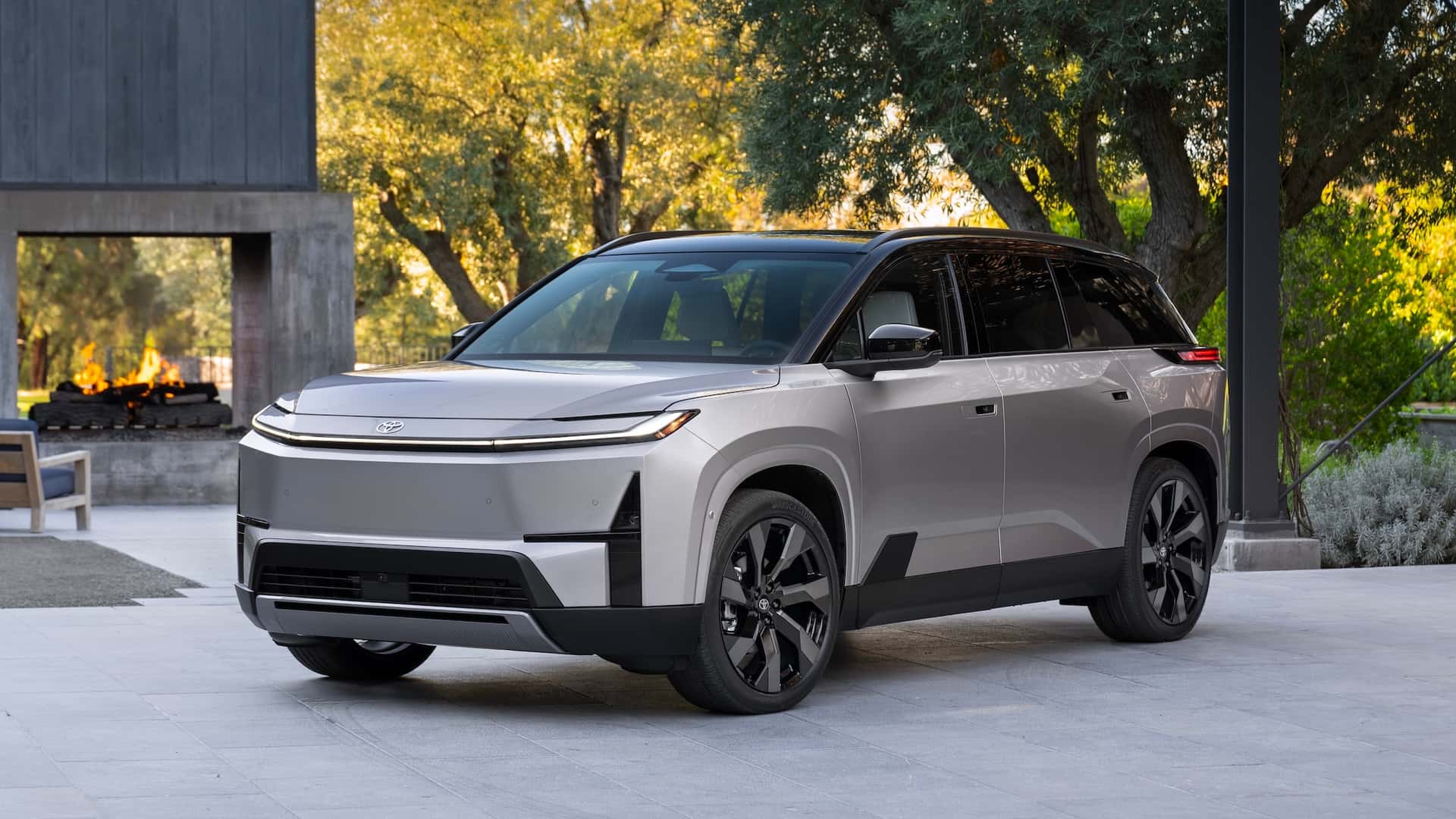
- The vast majority of electric vehicles are holding on to their original range even after years of driving, according to a new report.
- Even after three to five years, the range retention on modern battery-powered cars is impressive.
- Automakers have started including buffers to minimize perceived degradation.
Electric vehicles are holding on to their range far better than many buyers expect, and now fresh data from more than a billion miles of real-world driving is backing that up in a new way. In addition to constantly improving battery technology, automakers are also using software to keep the driving range more consistent over a period of time.
EV analytics firm Recurrent said in a report on Thursday that most EVs on the market lose very little usable range in their first several years on the road. The average EV now retains 97% of its range after three years of ownership and 95% after five years on the road. Put simply, an EV with 300 miles of range when new should still deliver 291 miles after three years and 285 miles after five, according to Recurrent.

Photo by: Patrick George
Range anxiety has long been one of the biggest barriers for EV buyers, even though there’s now a robust number of EVs on sale today across segments with at least 300 miles of EPA range. Many new EVs in premium segments are pushing over 400 and even 500 miles of range. However, it’s not always about how far a car can go when new. The other question is what happens after a few years of ownership.
That’s where the new data helps cut through the noise. Strong range retention can support resale values, make used EVs less risky, and give buyers more confidence that they are not settling for something subpar compared to combustion vehicles.
Our weekly newsletter digs deep into the biggest EV news every Friday
Recurrent used historical data to come to this conclusion. About 68% of model year 2023 EVs are still exceeding their EPA range today, the firm said. However, it is using a slightly different metric called Expected Range, derived from real-world driving data that factors in things like climate, driving conditions, and battery age. It also projected that a model year 2026 EV with 325 miles of range, for example, will still deliver 301 miles of range in 2031.
According to the report, EV brands with no significant range loss after five years of ownership include Cadillac, Ford, Hyundai, Mercedes-Benz, and Rivian.
There are a bunch of reasons why this is happening. Automakers are able to minimize range loss over the years by releasing reserve battery capacity and tuning range algorithms with over-the-air software updates as the vehicles age, Recurrent said. Many include a “buffer” of unused cell capacity early on, which allows the car to automatically unlock that capacity later on to erase the effects of degradation.
Photo by: Lucid Motors
But that’s not it. Automakers and battery companies have been laser-focused on improving the underlying battery tech. Batteries now get a higher energy density, translating to more miles from a similar-sized pack. Things like a cell-to-pack design reduces weight, so more of the car’s floor can store energy. Add to that sophisticated thermal management systems, aerodynamic improvements, and the gains are happening without needing dramatically bigger packs or different chemistries.
In fact, InsideEVs’ own analysis projects that the U.S. will have over 60 EVs with over 300 miles of range by the end of this year, up from 43 last year and 35 the year before. Of course, driving range largely varies across models and segments and continues to be impacted by the weather, driving styles, and road conditions. But with the U.S. public charging infrastructure also growing quickly, range anxiety is increasingly becoming a problem of the past.
Contact the author: suvrat.kothari@insideevs.com